
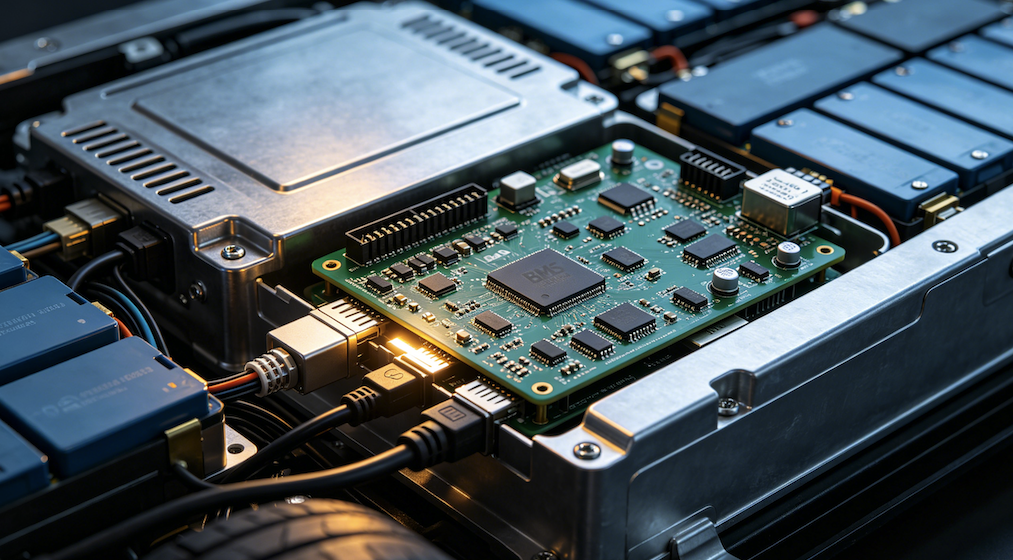
Rapid expansion of the new energy vehicle industry has driven surging demand for high-performance resistance alloys in thermal management systems, Battery Management Systems (BMS) and electronic control units, which have become a core growth driver for the sector.
Thermal Management Field
FeCrAl and NiCr alloy wires feature outstanding high-temperature resistance (1200℃–1400℃), oxidation resistance and long service life, widely adopted in PTC heaters, water heating cores and battery preheaters. In 2025, China’s market scale of high-performance resistance wires for EV thermal management reached about RMB 1.25 billion. The compound annual growth rate (CAGR) is projected to hit 22% in the next five years, exceeding RMB 3.5 billion by 2030.
BMS Field
Constantan (CuNi) and Manganin (CuMn) alloys boast low temperature coefficient of resistance (TCR ≤ ±20ppm/℃), superior stability and low thermoelectric potential against copper, making them the prime material for current sampling resistors. The per-vehicle consumption rises sharply from 1,200–1,500 pieces in fuel vehicles to 2,200–2,500 pieces in smart EVs, with stricter requirements on precision, temperature drift and batch consistency.